
Diesel Price Hike: Diesel price increased from Rs 87 to Rs 109, price increased by Rs 22
The impact of the surge in crude oil prices due to Israel-Iran tensions is now being felt in India. Following the rise in power petrol, industrial diesel has seen a massive increase of ₹22 per liter, rising from ₹87.67 to ₹109.59. This diesel is used in factories and transportation.
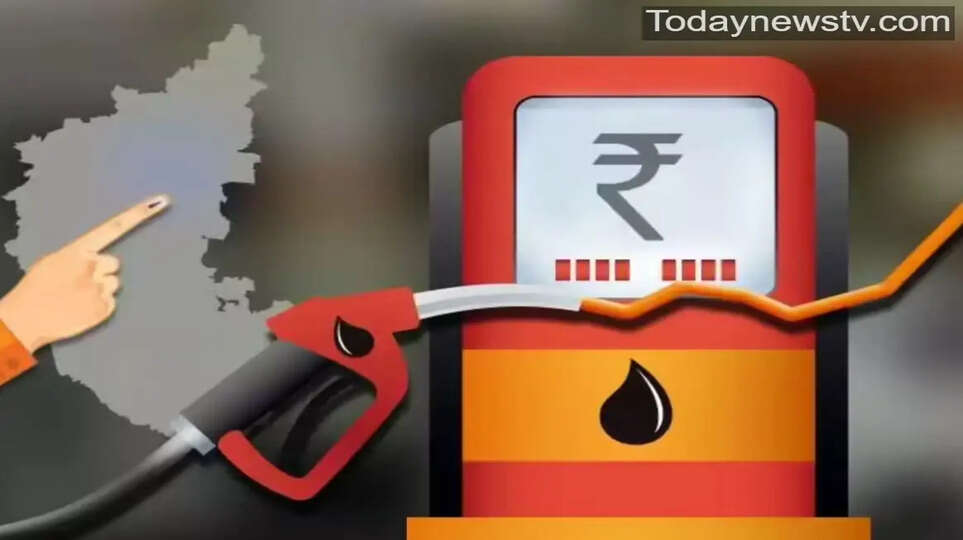
Due to the escalating war between Israel and Iran, crude oil prices are skyrocketing in the global market. This has opened a new frontier of inflation within the country.
While the price of power petrol recently saw a 2 rupee increase, news has now emerged that has raised concerns among everyone from industries to ordinary consumers. The price of industrial diesel has been increased by a whopping 22 rupees per liter.
Diesel priced at Rs 87 crosses Rs 109
According to the latest information provided by Indian Oil Corporation (IOCL), industrial diesel prices have seen a significant jump. Diesel, which was available at ₹87.67 per liter yesterday, has now jumped to ₹109.59 per liter.
The primary reason behind this steep increase is the rising global crude oil prices.
According to oil companies, these new and increased prices have become effective nationwide from Friday, March 20th. However, these prices may vary slightly depending on local taxes and regulations in different cities.
Where is industrial diesel used?
If you're worried about your vehicle's tank capacity after hearing this news, you can breathe a sigh of relief. This isn't the regular diesel that's filled into passenger vehicles at regular petrol pumps.
It's called "bulk diesel" or industrial diesel. Oil companies sell this special diesel directly to factories, large factories, industrial plants, and heavy commercial operations. This commercial diesel doesn't receive any subsidies.
It will also affect your pocket.
Even if this diesel isn't used in your personal car, it's going to have a profound impact on your household expenses. This diesel is used to run factories, generate electricity, and transport goods from one place to another.
Now that the fuel used in factories alone will become costlier by 22 rupees, production costs are bound to rise. This increased transportation and electricity costs will significantly reduce companies' profit margins.
Whenever a company's costs increase and profits decrease, it compensates by increasing the price of the final product.
This means that in the coming days, everything from everyday items to those manufactured in these factories could become more expensive.