
Relief for Tiruppur textile industry as tariffs are reduced from 50% to 10%
Despite frequent tariff changes in the US, Tiruppur's textile exporters have retained their American customers through constant negotiations and negotiations. Many companies have continued to operate at lower profits to maintain long-term business relationships.
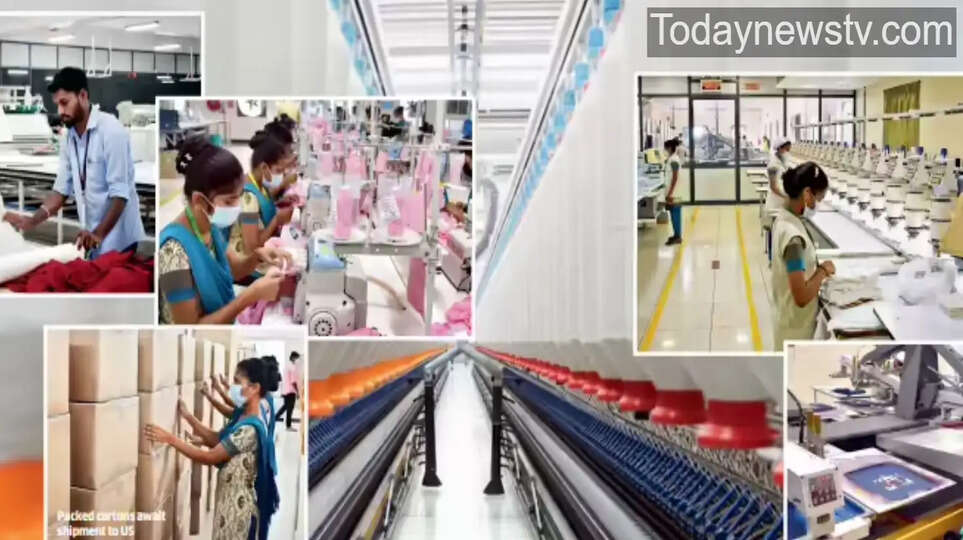
Despite the US tariffs on Indian exports changing several times over the past few months, Tiruppur in Tamil Nadu, known as the knitwear capital of India, has managed to retain its American customers.
In February, while a shipment of garments was at sea from Tamil Nadu to Los Angeles, the US tariffs on Indian goods changed repeatedly.
This tariff first reached 50% in August last year, then 18% in early February, and was reduced to 10% a few weeks later.
Since American importers have to pay duty only after goods arrive in the US, the reduction in tariffs on goods in transit significantly benefited them. Meanwhile, Tiruppur exporters continued to negotiate with their buyers.
Renegotiate prices
This was a challenging time for Tiruppur's exporters. Many companies renegotiated prices with US customers to accommodate the tariff changes. However, due to pre-established regulations, most exporters did not pressure buyers to reimburse them for additional payments.
In fact, most shipments were sent under the FOB (Free on Board) arrangement, where the exporter is responsible for the goods until they are loaded onto the ship, and the buyer bears any expenses thereafter.
Exports worth Rs 16,000 crore to America
Finished garments from Tiruppur are first shipped by road to the Tuticorin port.
From there, containers are transported in smaller vessels to larger ships anchored off Sri Lanka, which then travel for about two months to reach the US. In 2024-25, garments worth approximately ₹16,000 crore were exported from Tiruppur to the US.
Accepting lower profits to save the business
During the tariff hike, many Indian exporters continued to operate at low profits, or sometimes even losses, to preserve long-standing relationships with their American customers.
Meanwhile, American buyers did not completely halt orders, but instead agreed to bear some of the burden.
According to the Tiruppur Exporters Association, the city's exporters suffered losses of approximately ₹1,000 crore during this period, offering discounts to customers to mitigate the impact of the tariffs.
The factories are back in business
Now, with the tariff reduction, work in Tiruppur's factories has resumed. Fabric cutting, sewing, and packing are progressing rapidly. However, exporters are still not completely confident, fearing a policy change in the future.
Nevertheless, exporters believe that the US is the world's largest textile market and it is not easy to completely ignore it. Therefore, Tiruppur businesses are constantly trying to maintain their hold in this market through negotiations and strategy.